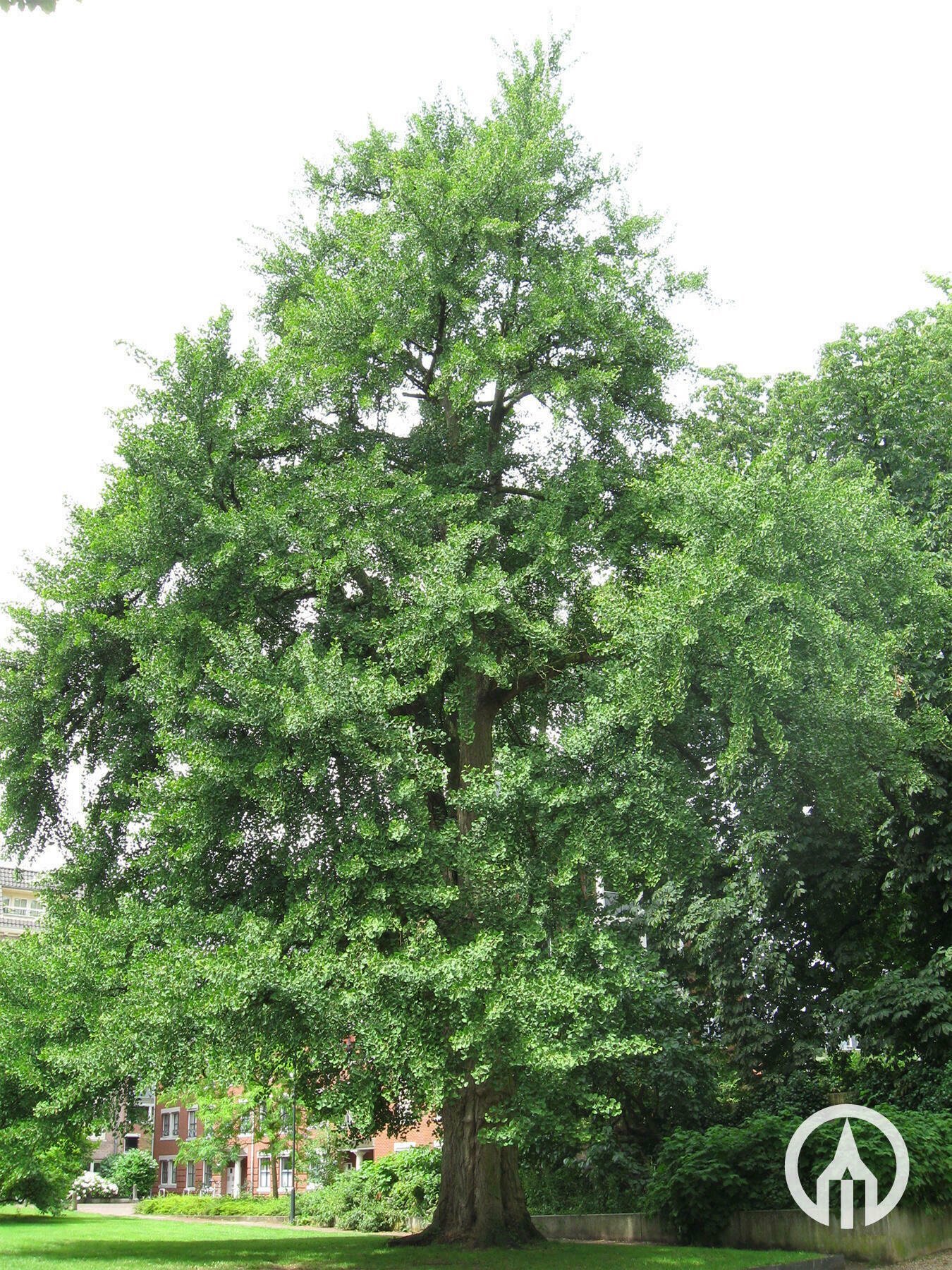
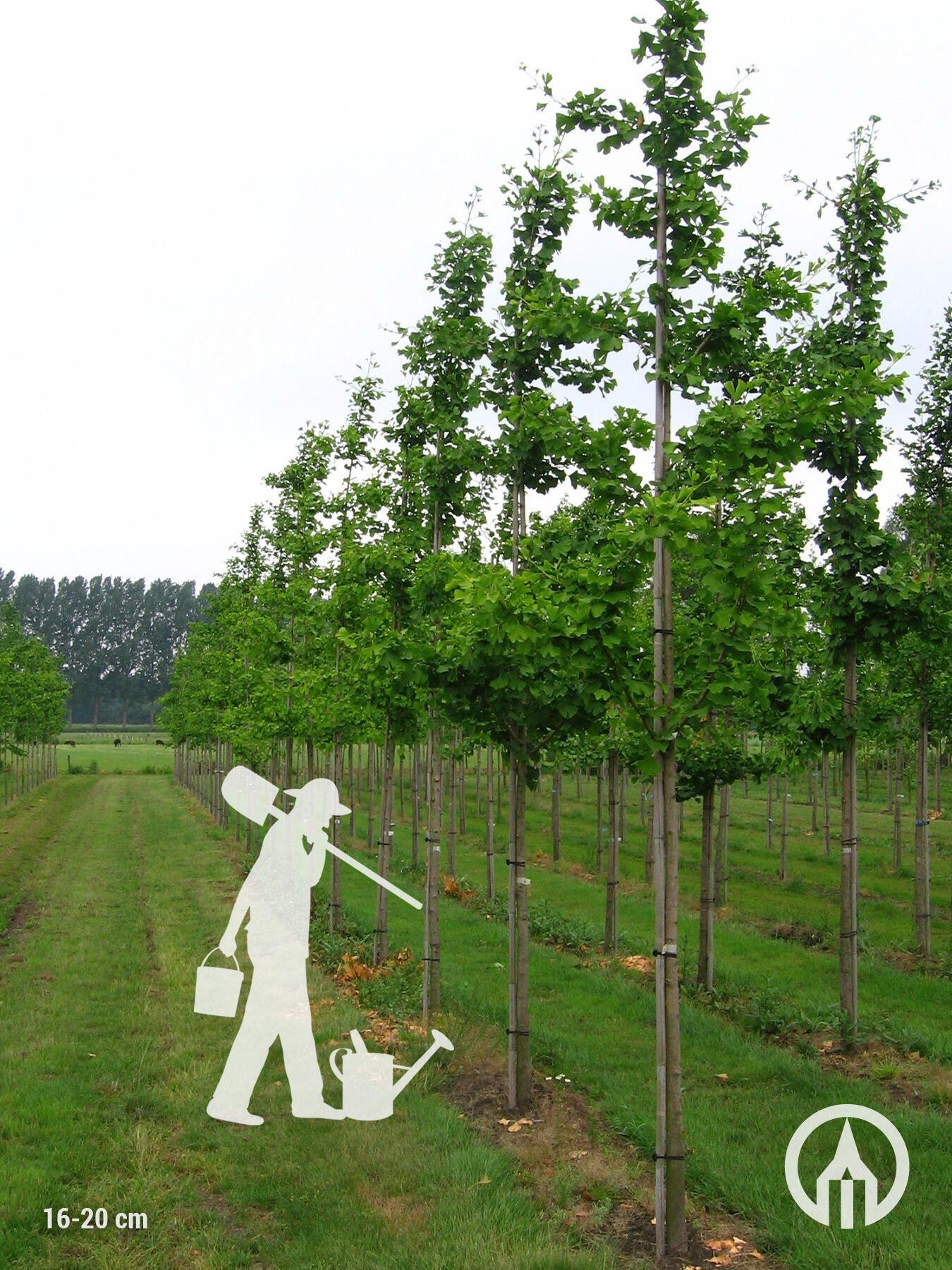
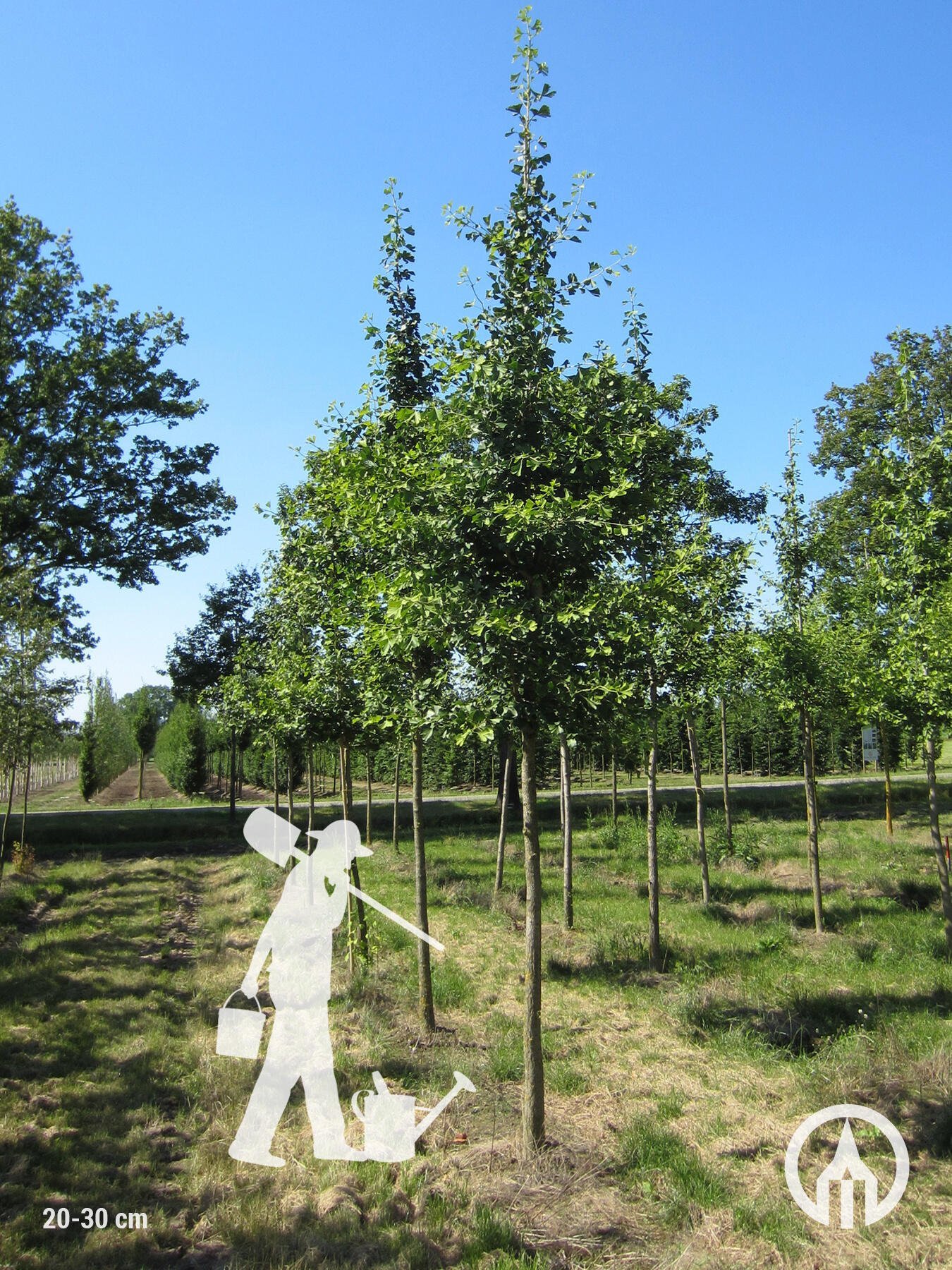
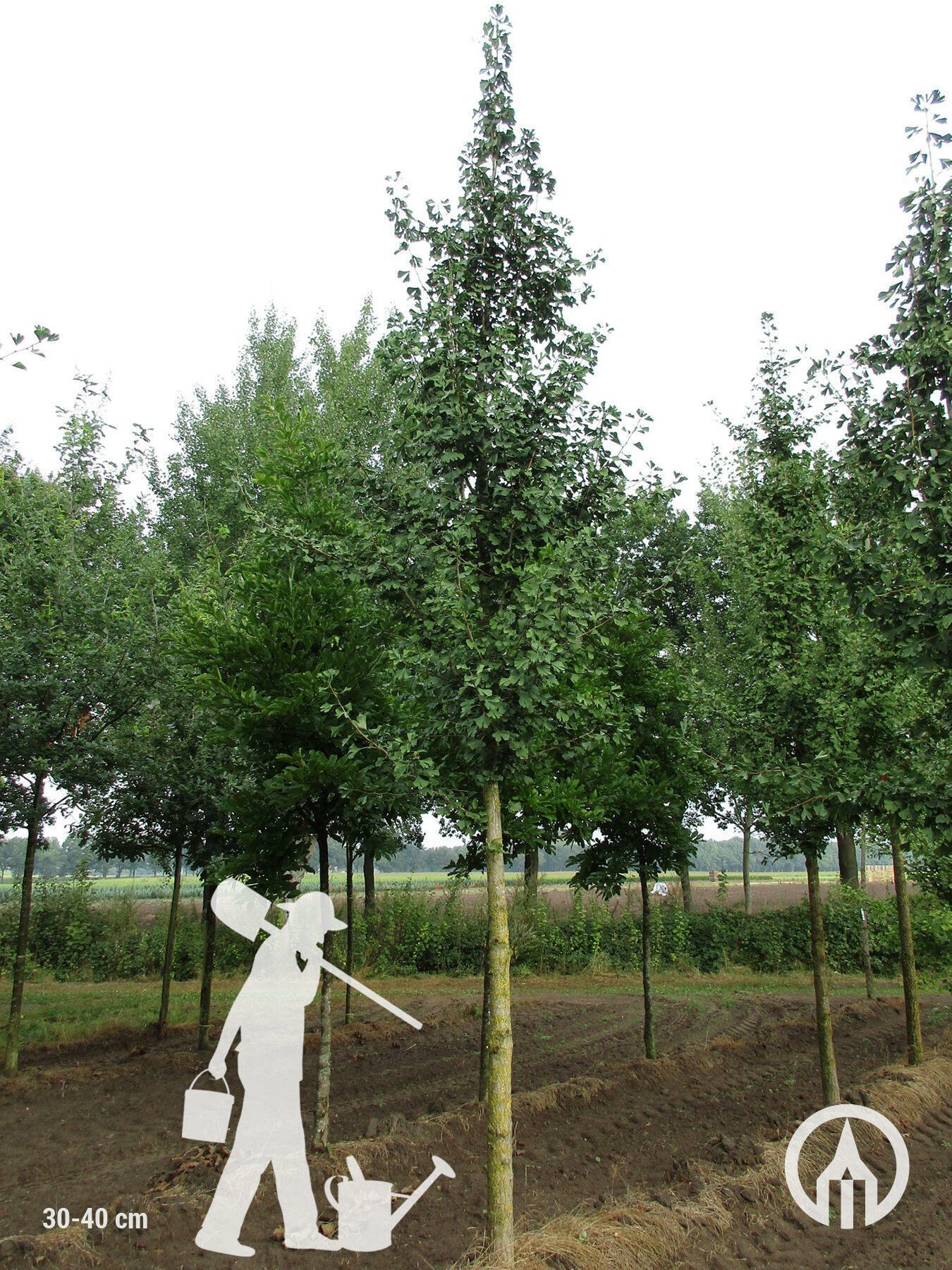
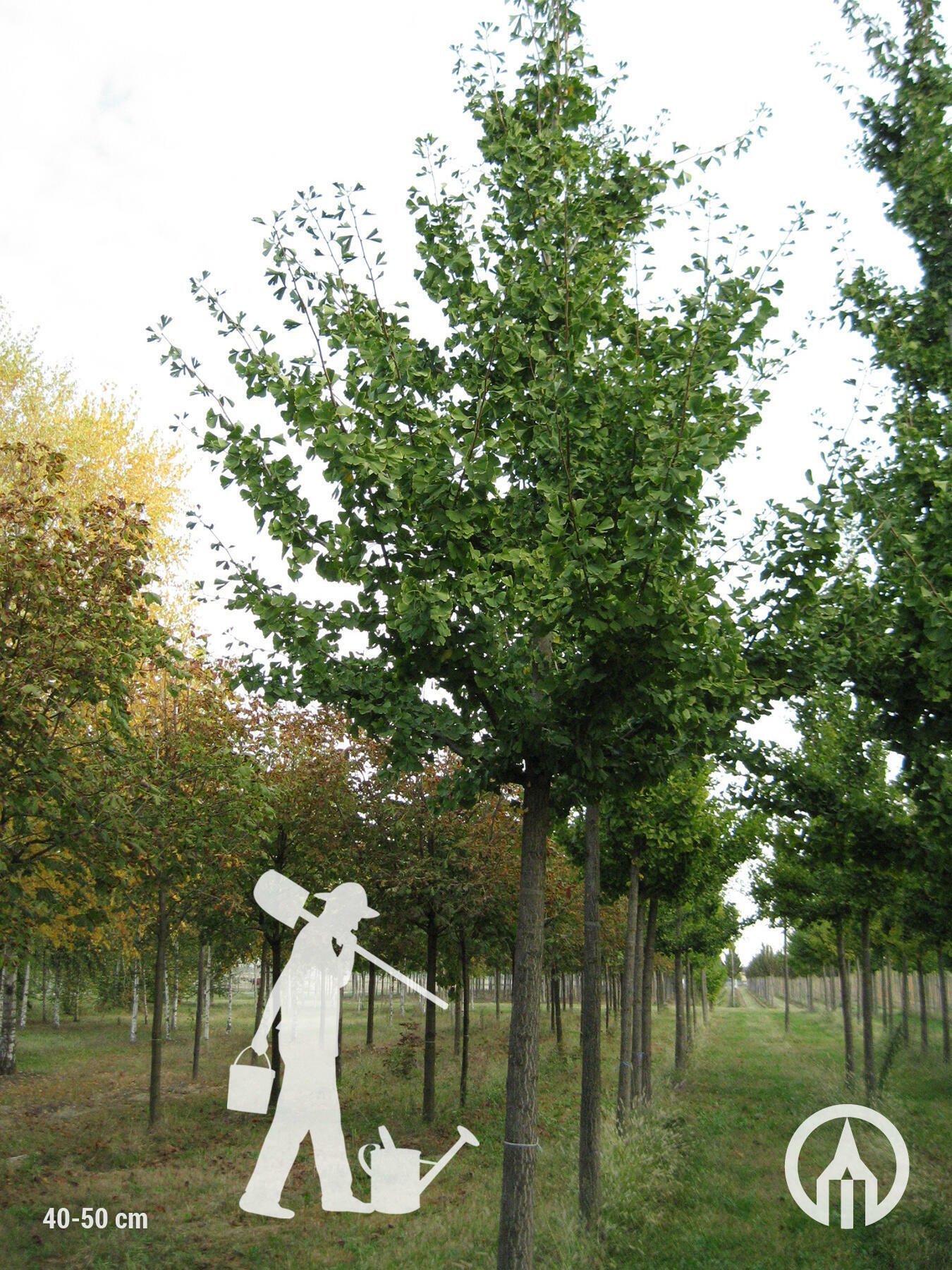
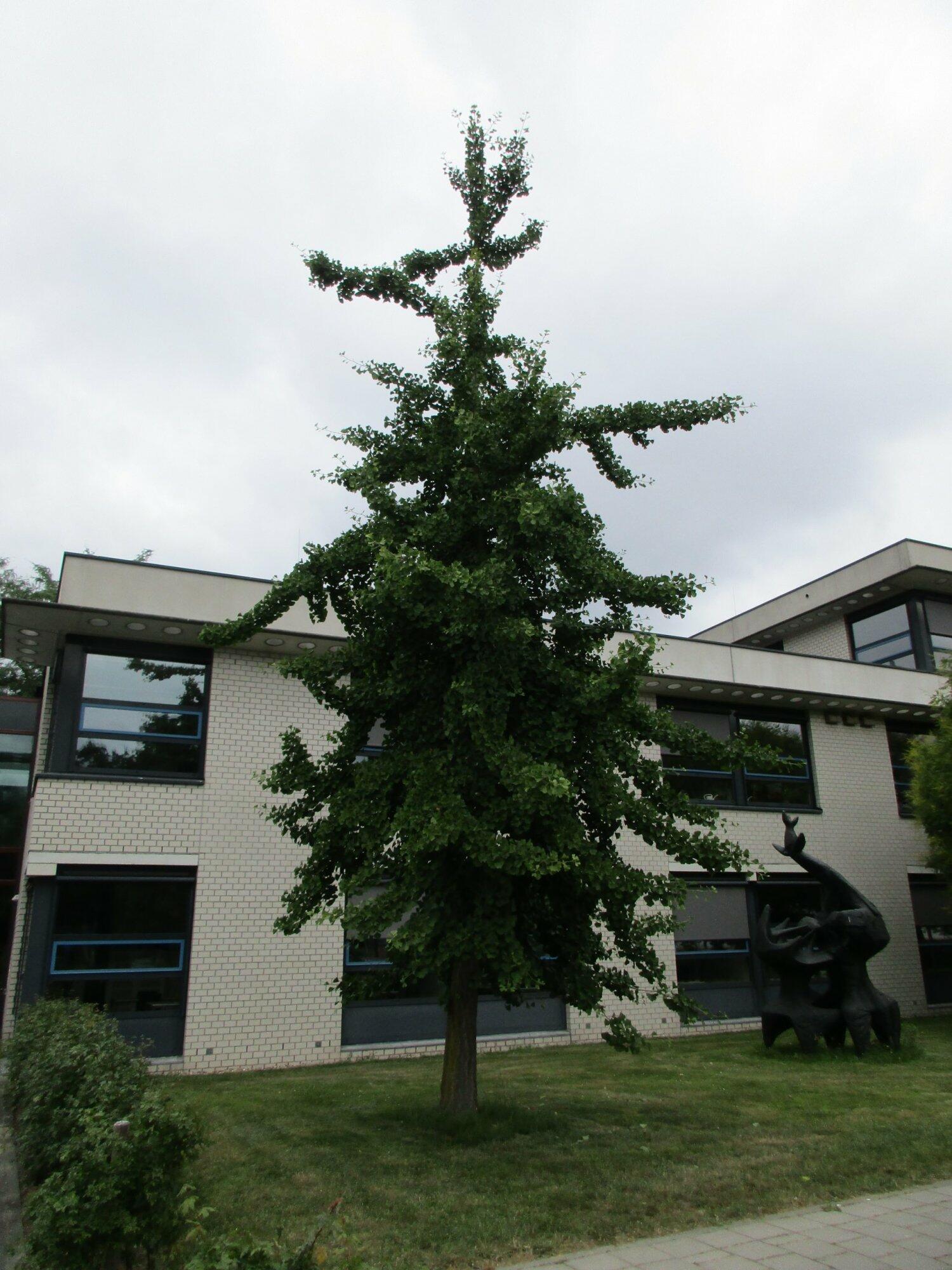
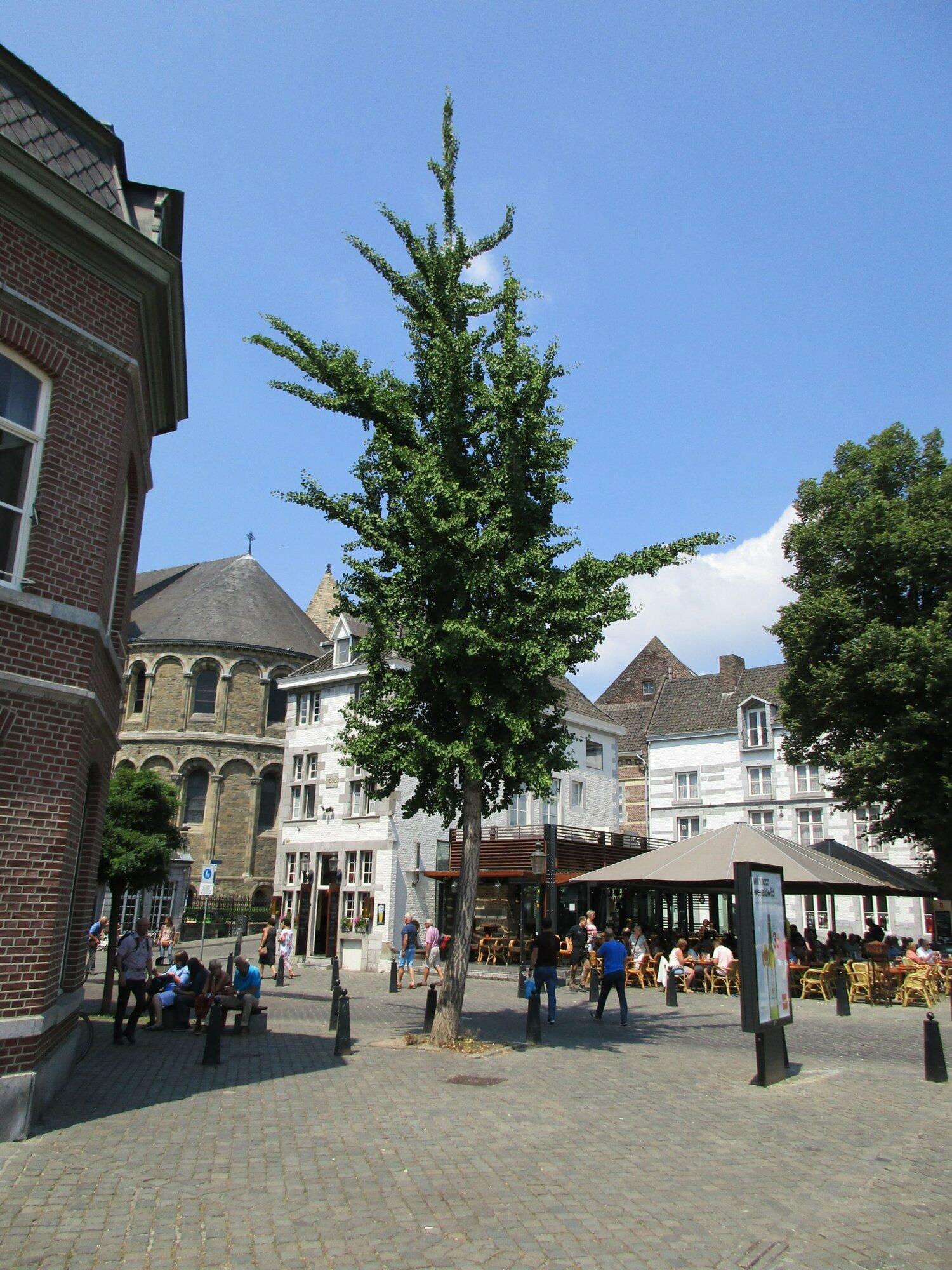
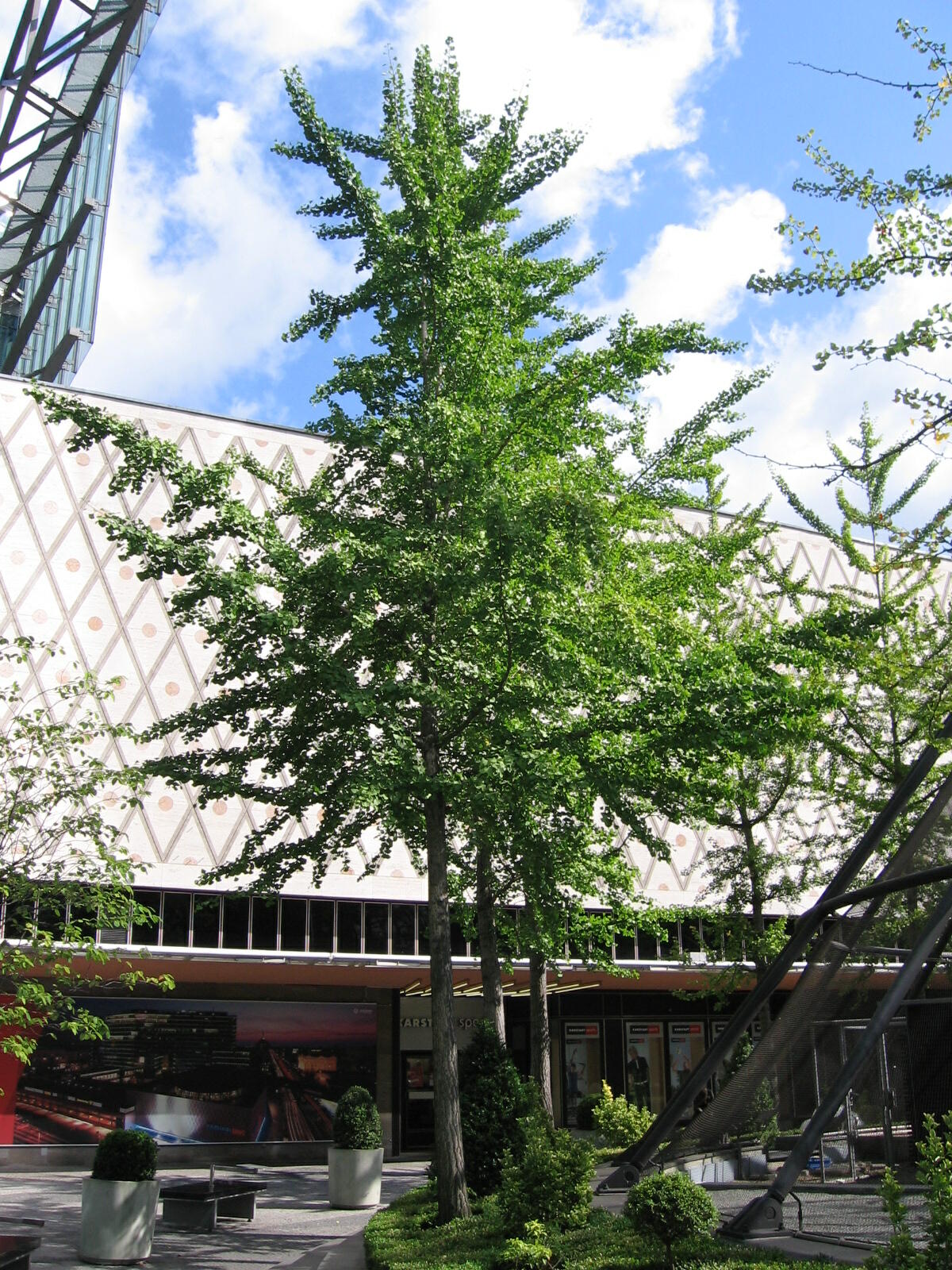
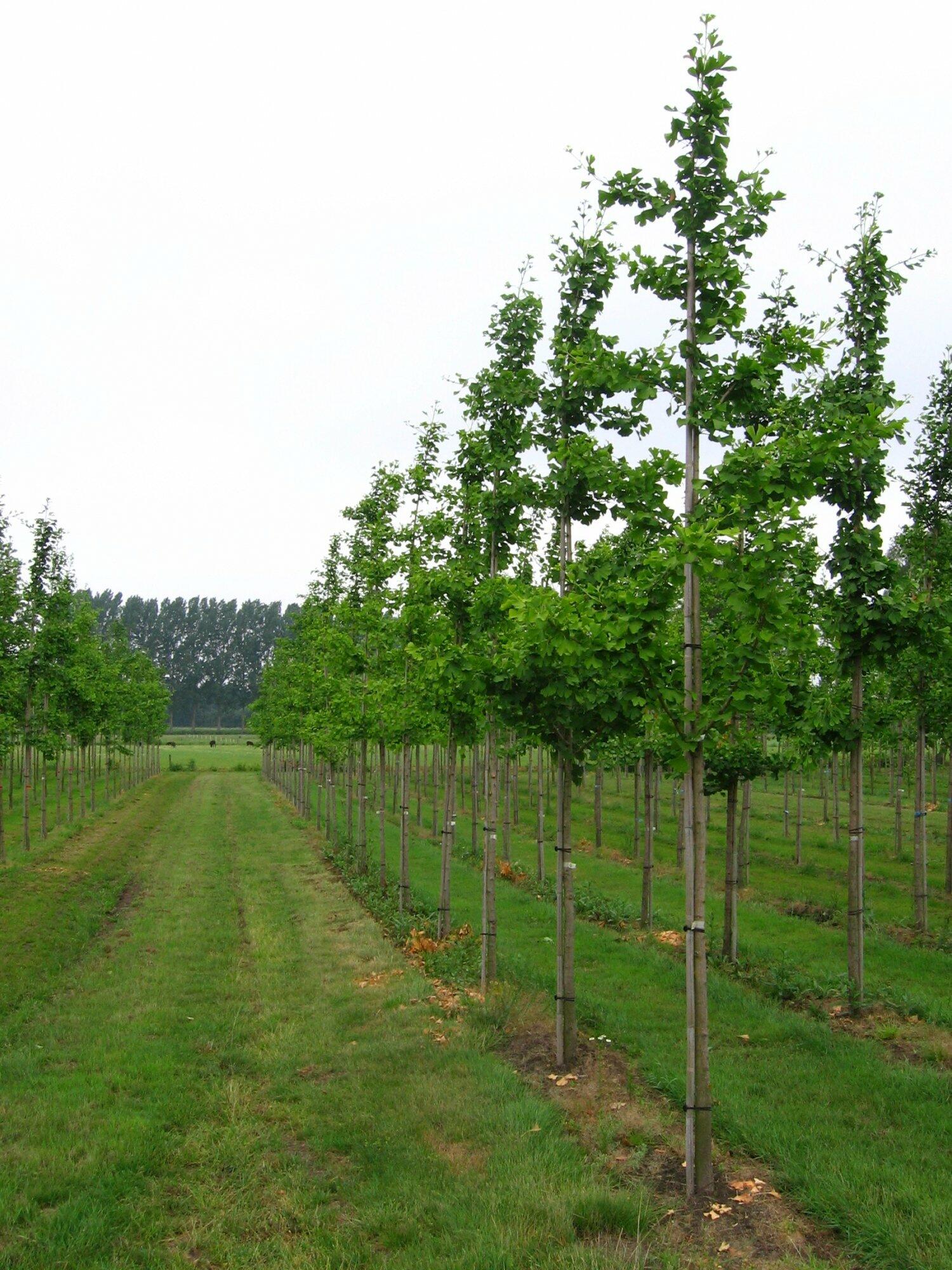
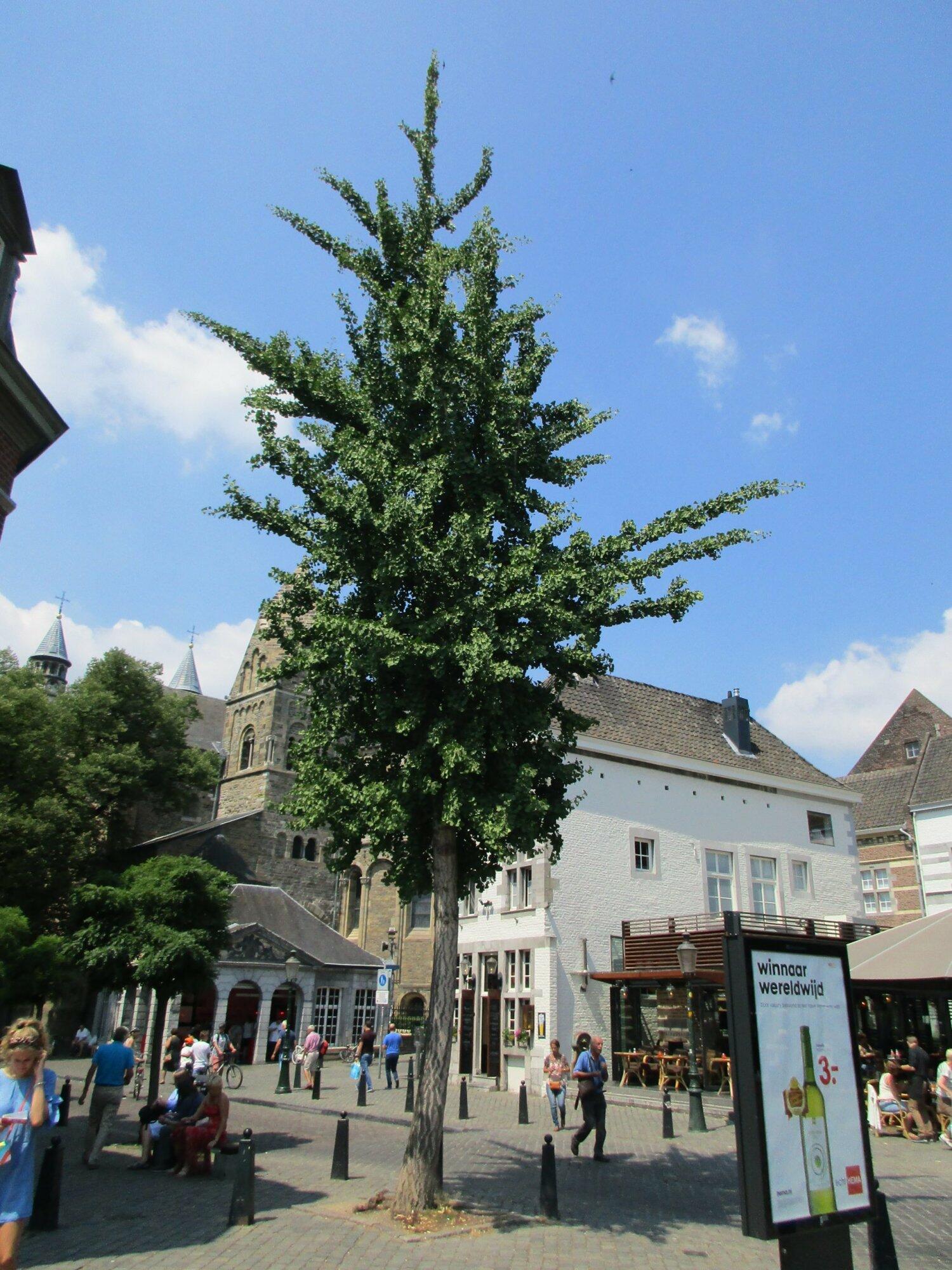
When young, the Japanese walnut tree forms a narrow, upright crown, often growing in a somewhat irregular pattern. As it matures, the tree often spreads out more but typically retains its open and somewhat irregular crown shape.
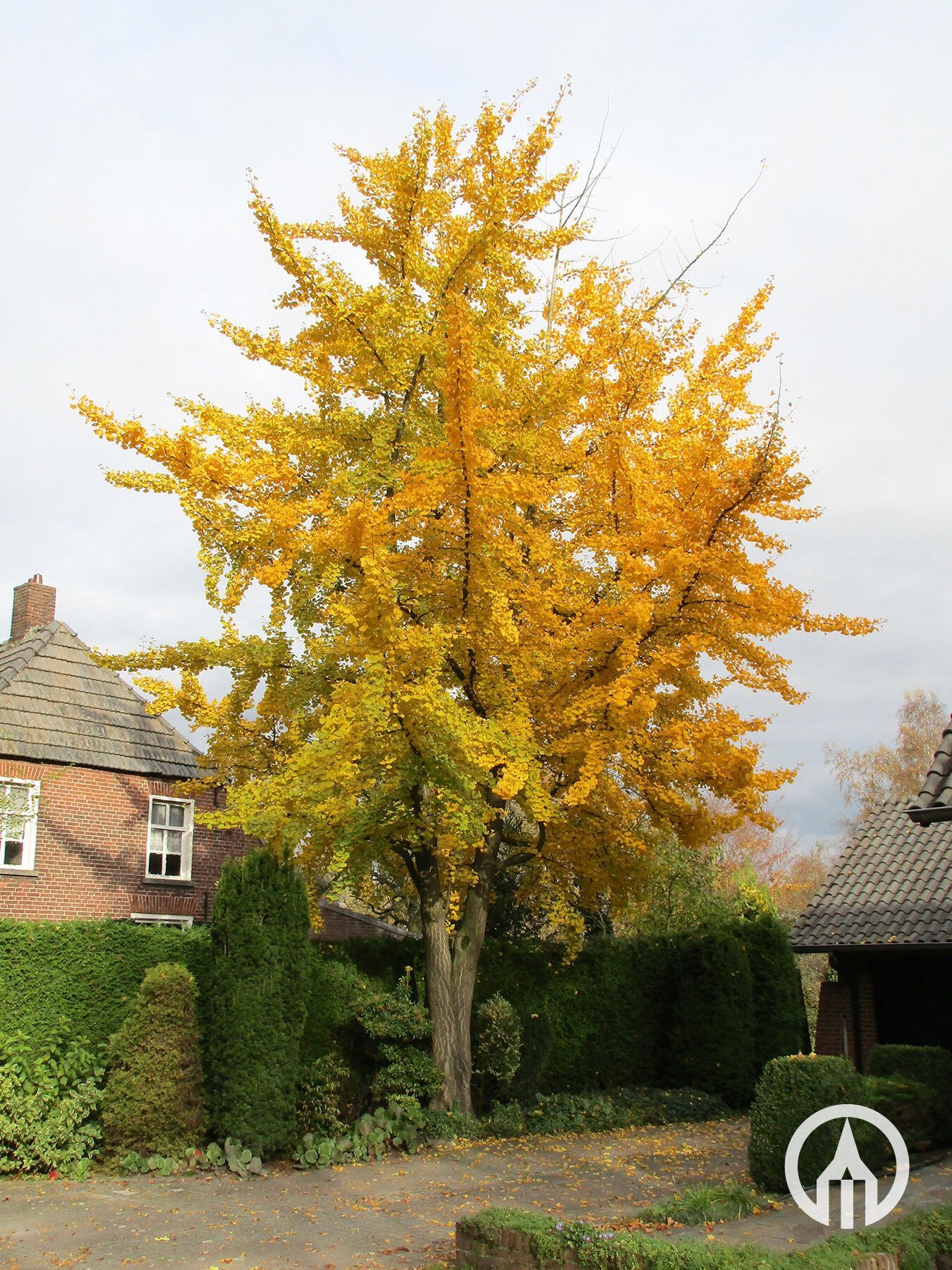
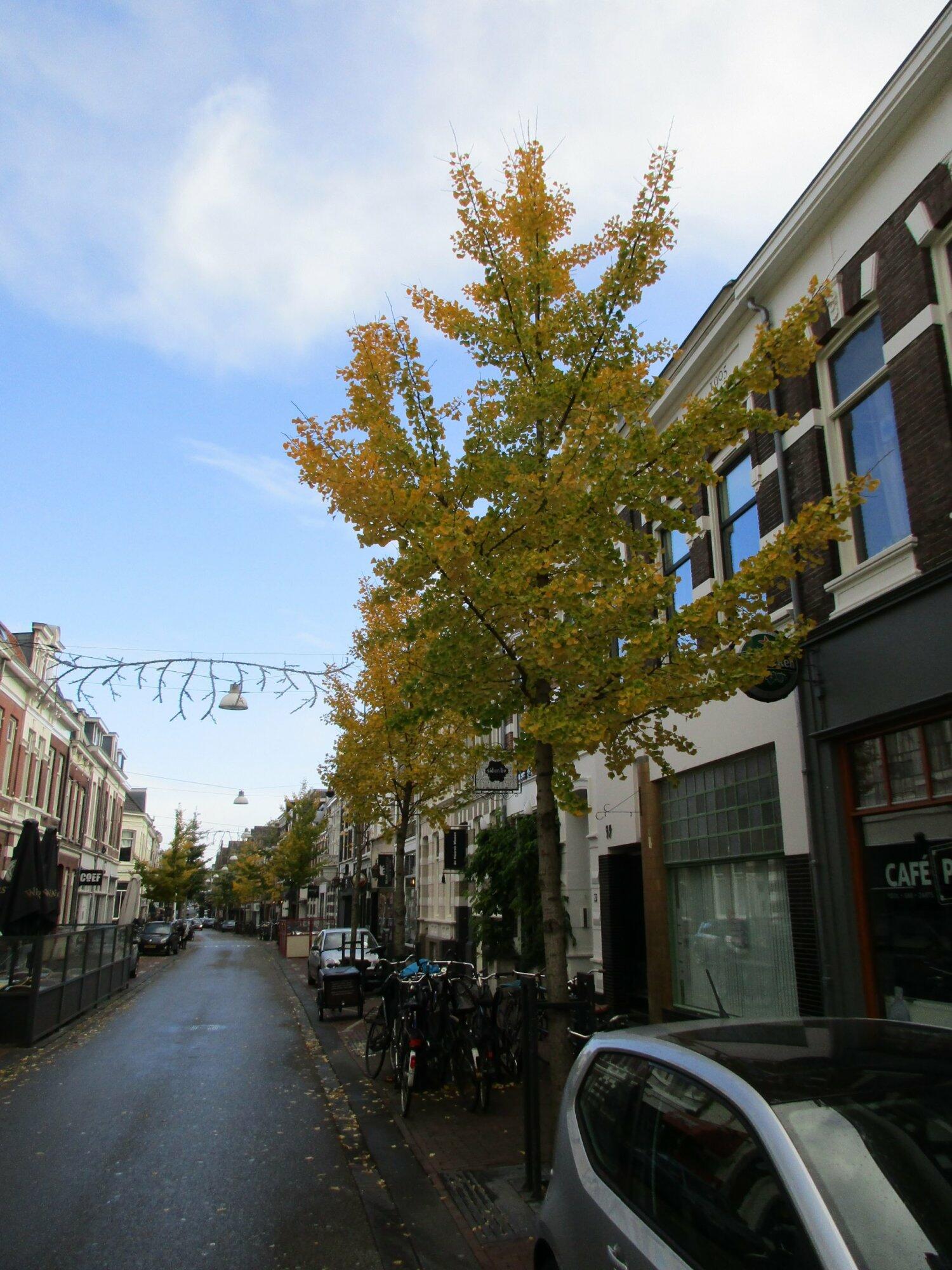
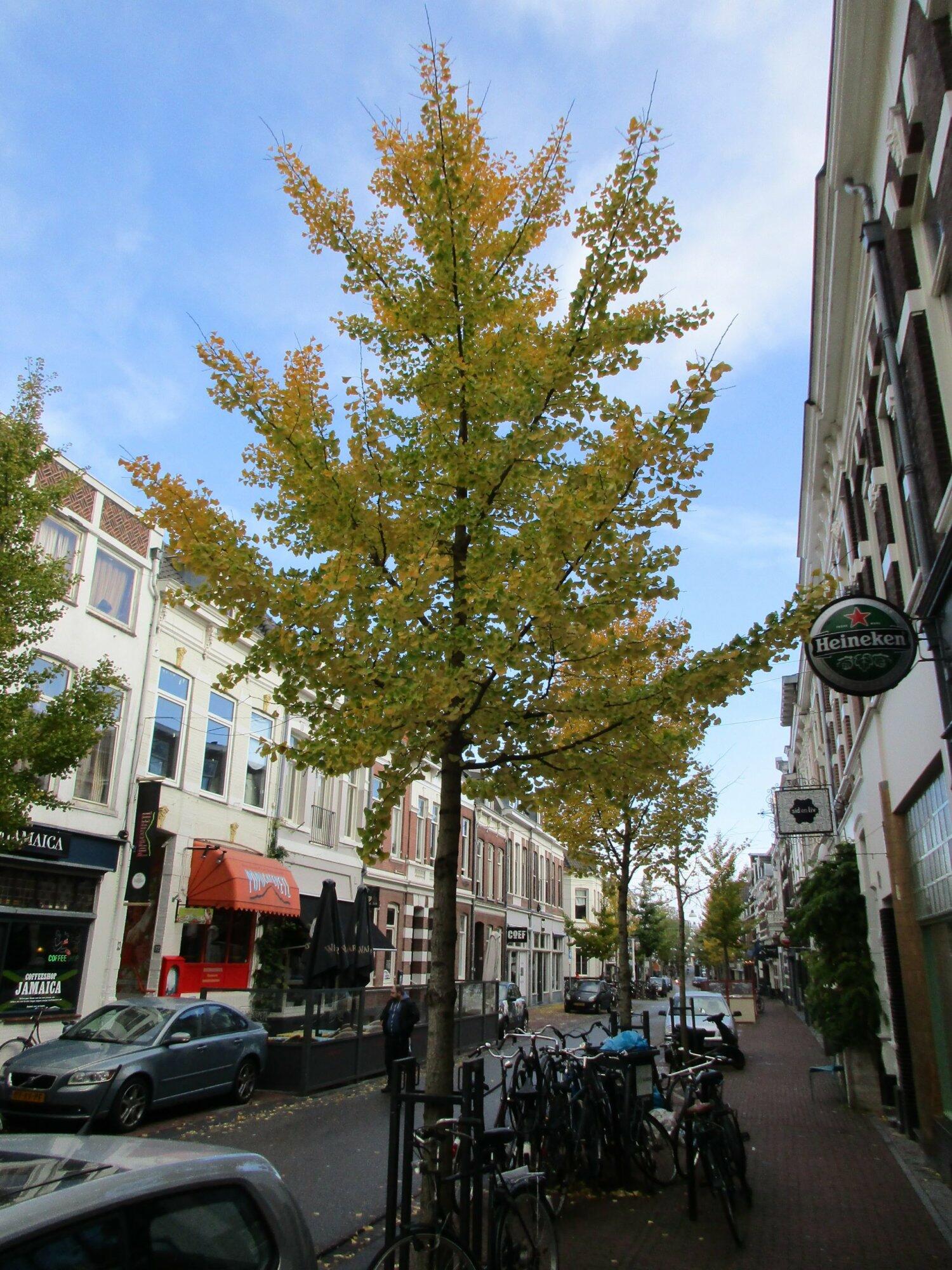
Thanks to its specific characteristics, this tree is ideally suited for use in green belts or parks. There, it often thrives beautifully as a solitary park tree. As shown in the photos, the tree can also be planted along wider streets or in urban settings.
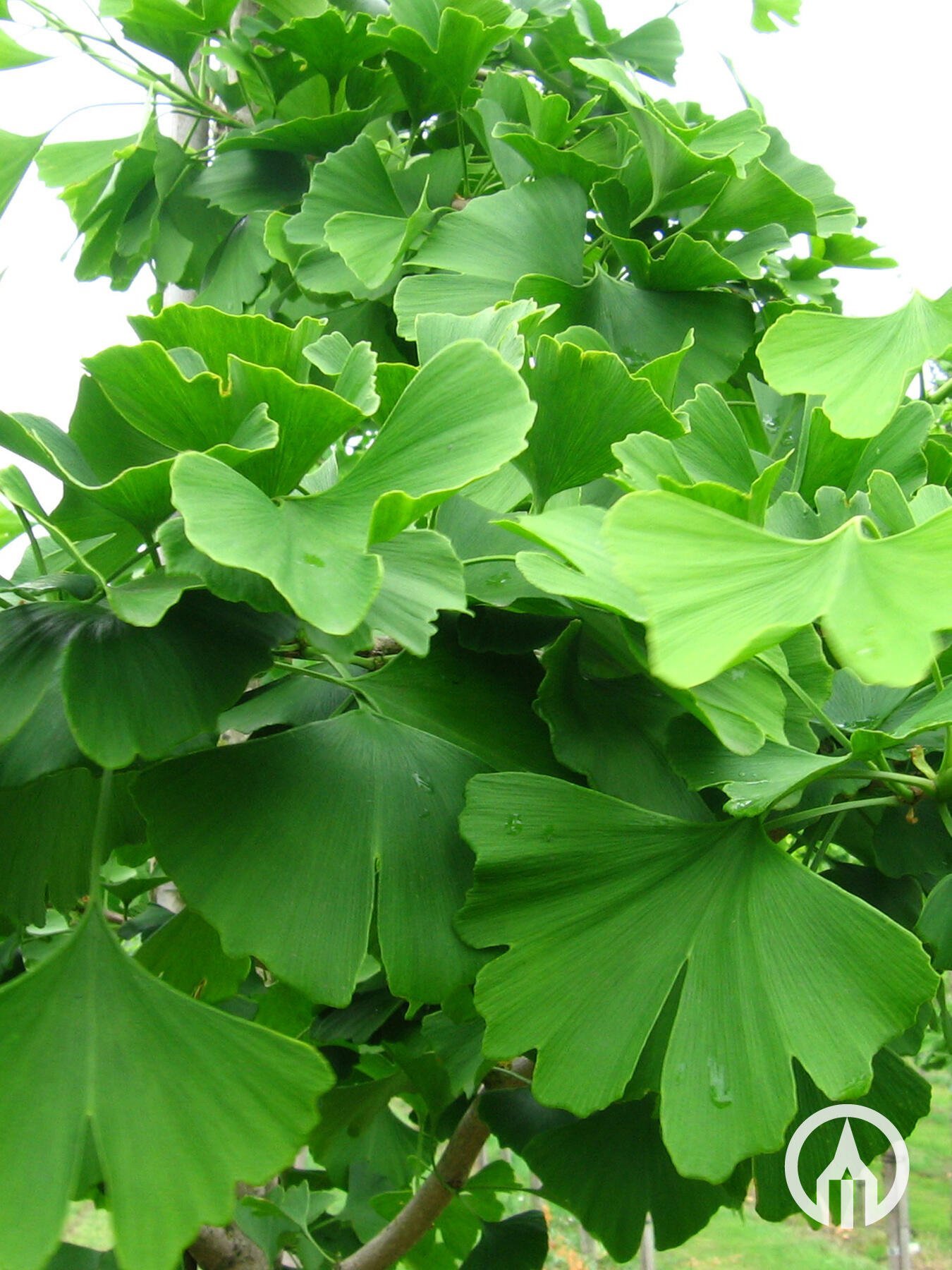
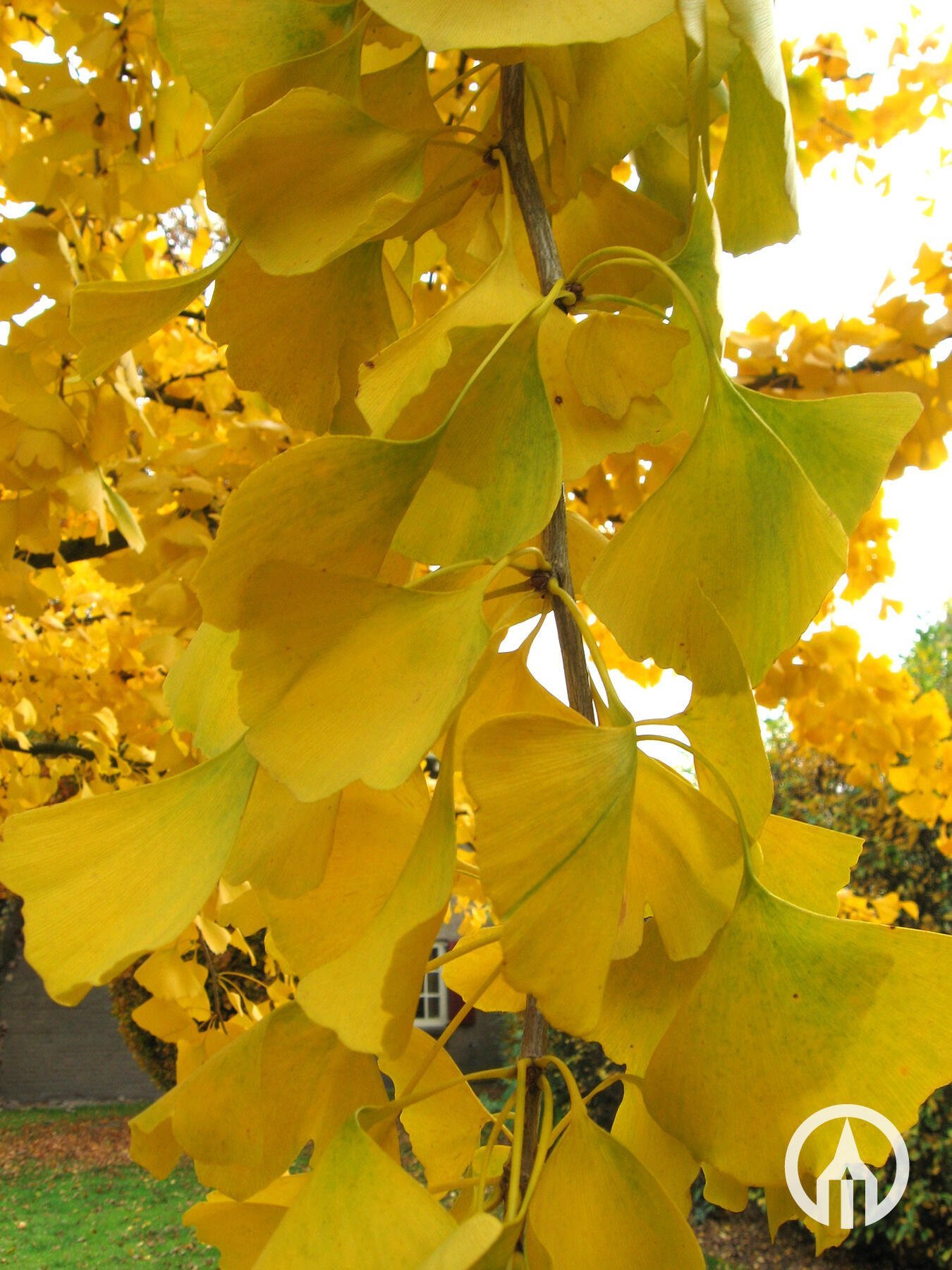
Its main ornamental value lies in its fan-shaped, fresh-green, leathery leaves, which turn a beautiful golden yellow in the fall. Dendrologically, the species belongs to the conifer category; its foliage actually consists of rolled-up needles that form the leaves. Only after 20 to 50 years do yellow, round seeds (2–3 cm in diameter) appear, which emit an unpleasant odor when damaged. Ginkgo biloba is an example of an exotic species that can truly be considered an enrichment of the assortment.
After the ice ages and deforestation, it was thought that the tree had disappeared. Later, small groups of these trees were discovered in the Chinese mountains. Despite its name, the tree is not native to Japan. In China and Japan, the tree is often planted near temples, which is why it is also called the Temple Tree.
The famous writer, poet, and naturalist Johann Wolfgang Goethe wrote a well-known poem about the Ginkgo biloba: https://oxrideracademy.nl/dualiteit/
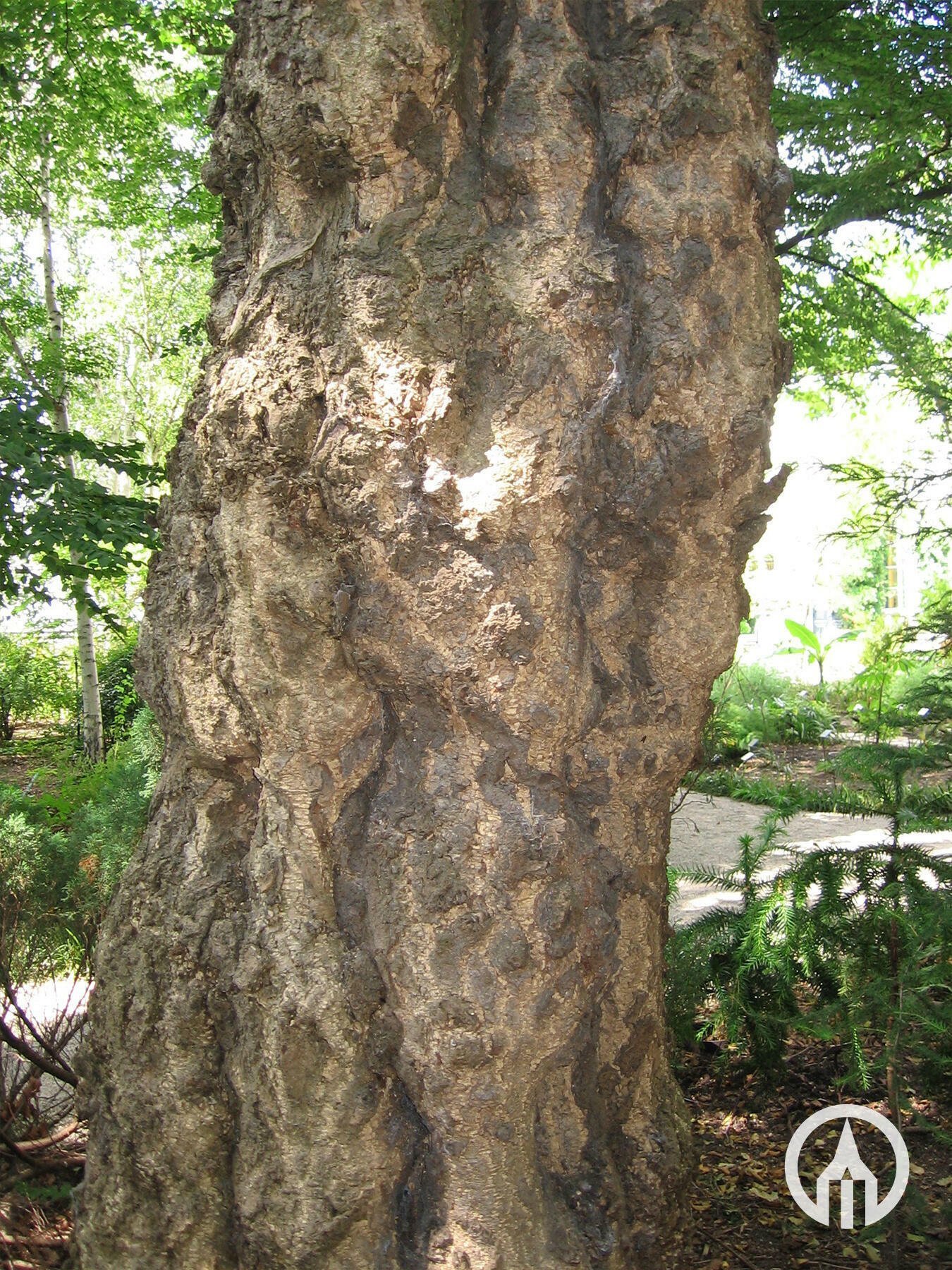
Photos taken in: Maastricht, Nijmegen, Haaren, Berlin, and our nursery